Fibre Laser vs CO₂ Laser: Which is Best for Sheet Metal Cutting?
What is a Fibre Laser?
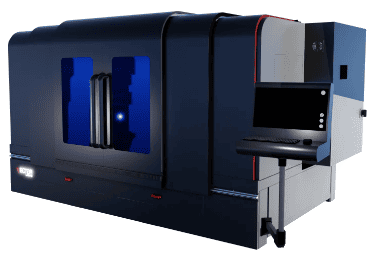
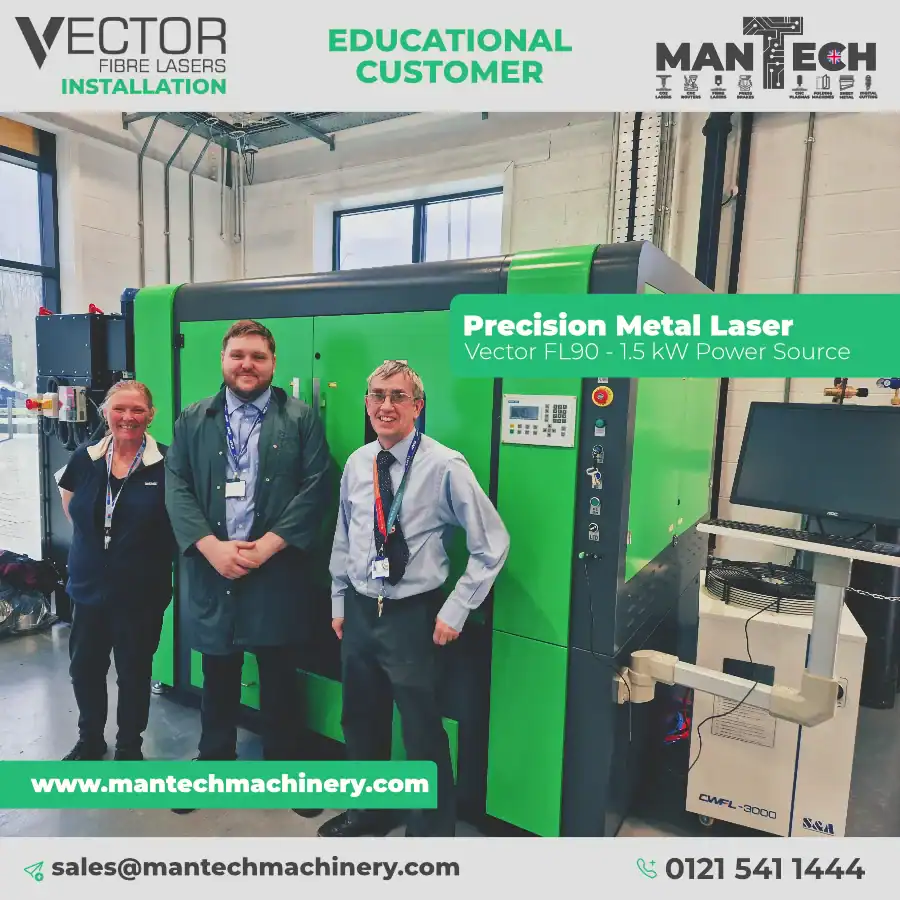
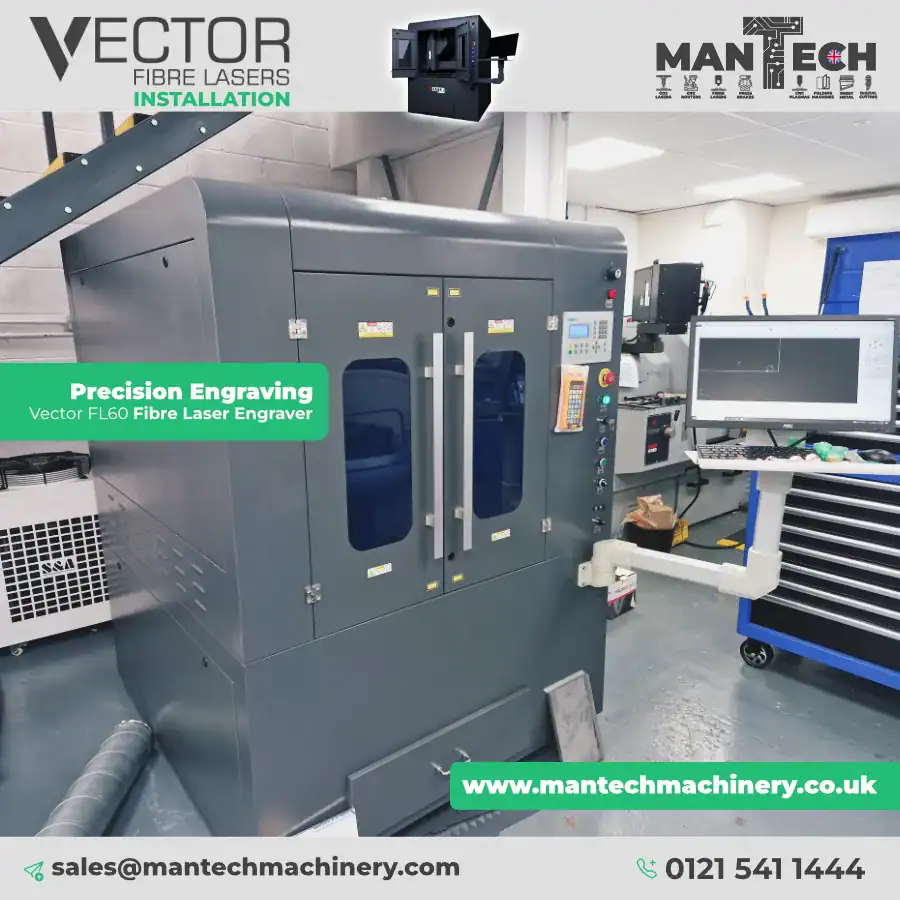
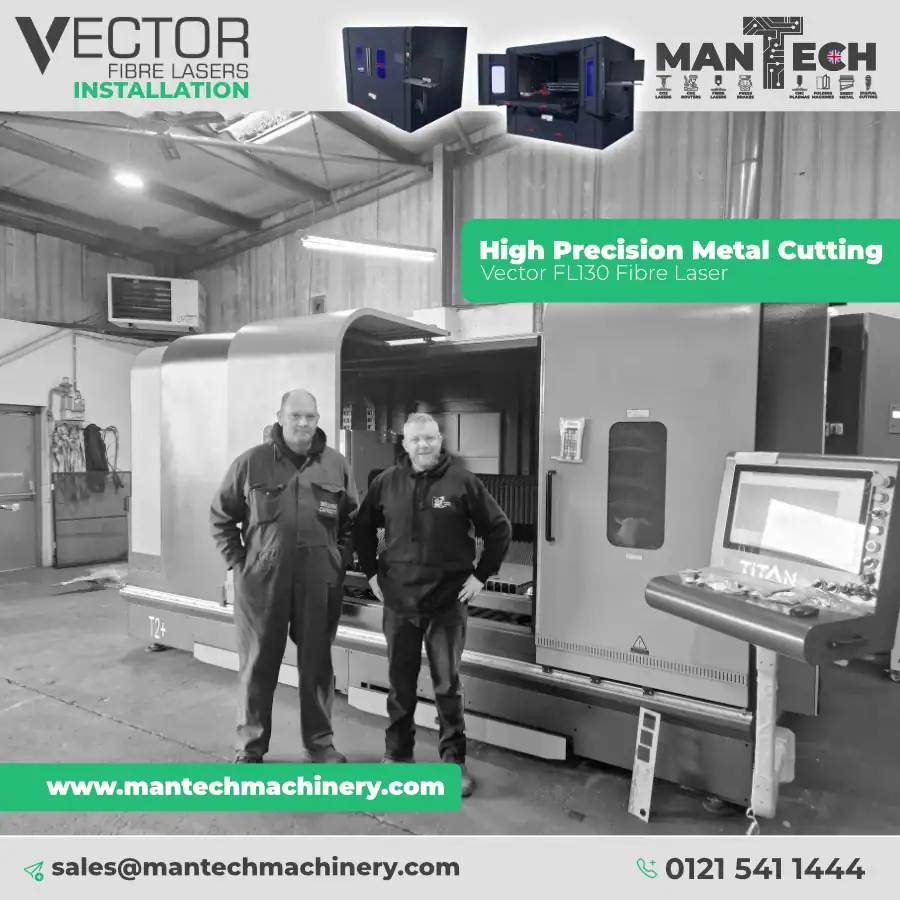
With options to suit small workshops to high-output fabrication plants, Fibre Lasers handle a broad array of metal thicknesses and materials—delivering excellent cut quality with minimal maintenance.
What is a CO₂ Laser?
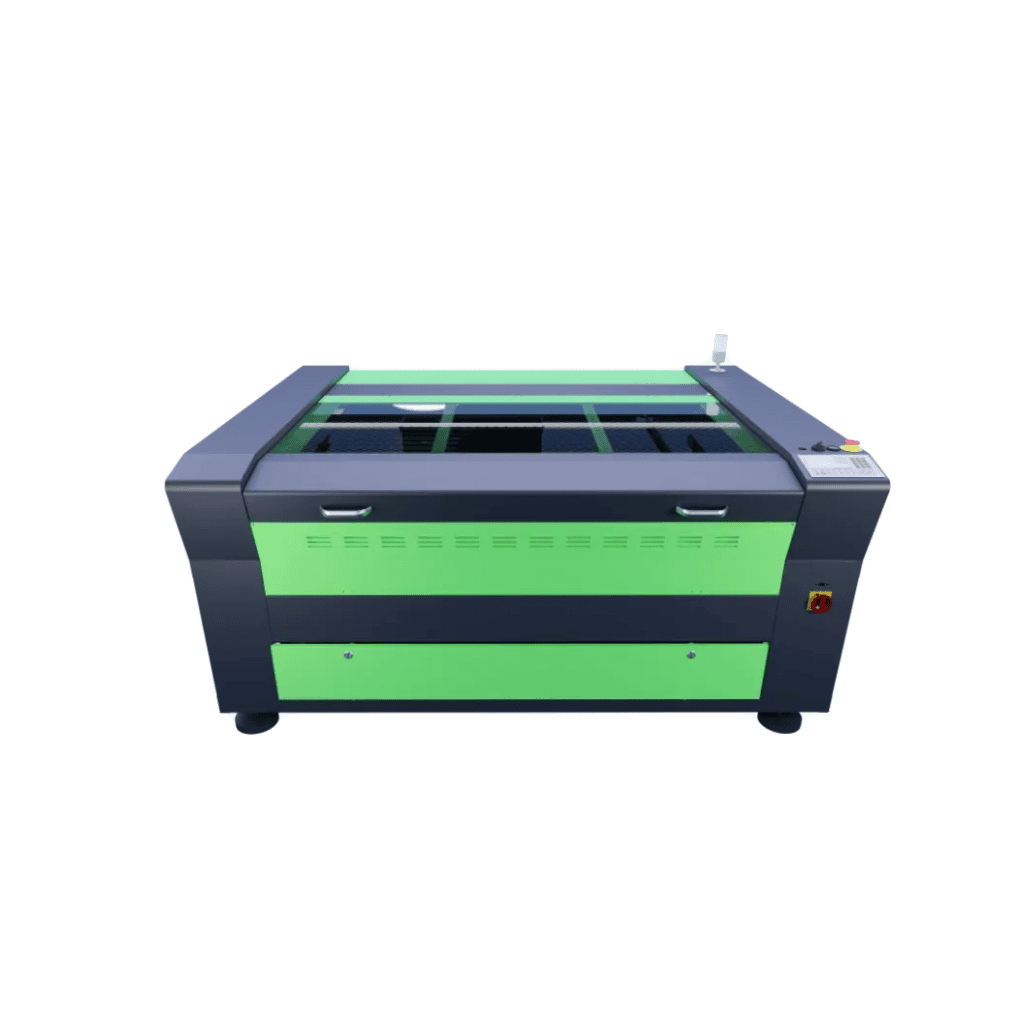
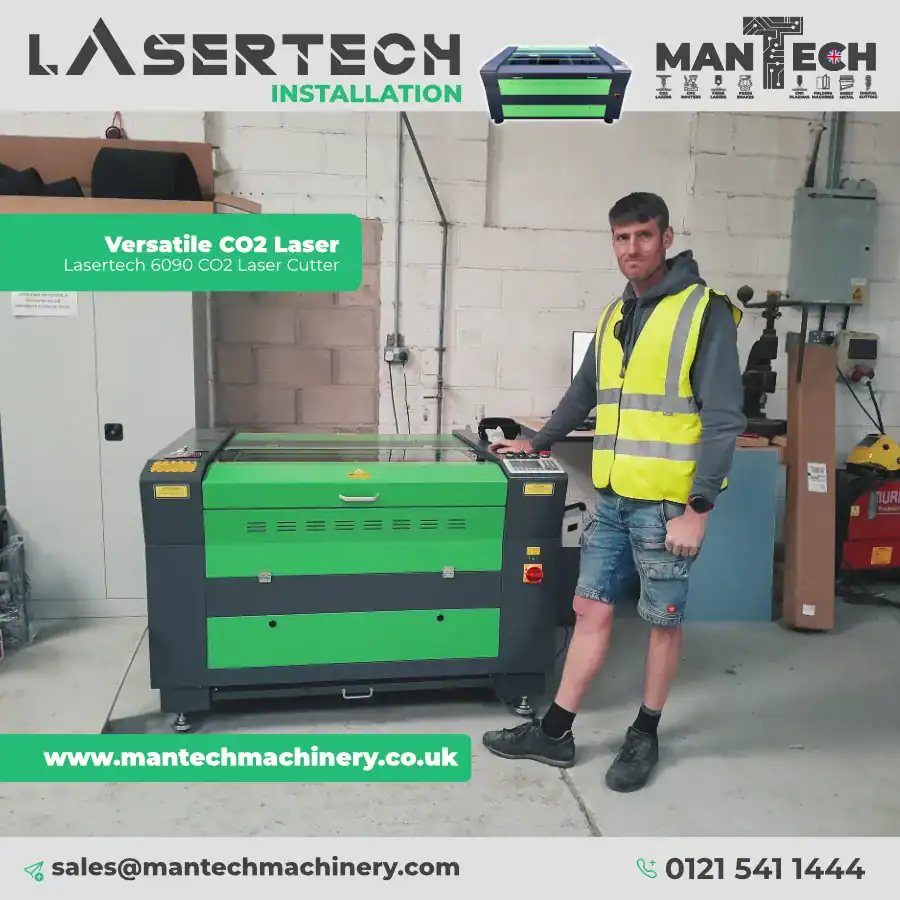
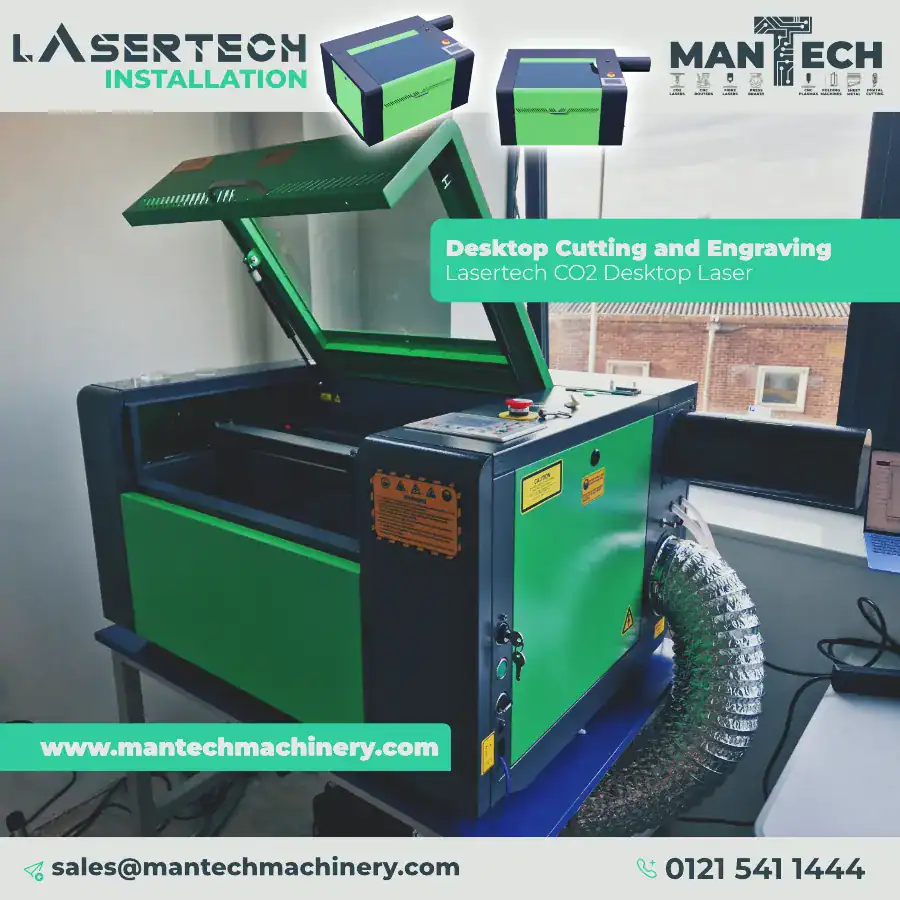
Power levels usually range from 80W to 150W, with machine formats spanning from compact desktops to large-format production units.
Best Suited Applications:
Fibre Laser
- Precision cutting of mild steel, stainless steel, aluminium, brass, copper
- Handles material thicknesses from 0.2 mm to heavy plates
- Ideal for automotive, aerospace, engineering, signage, fabrication, and structural work
- Supports options for bevel, tube, and high-speed production configurations
CO2 Laser
- Best suited to non-metals: acrylics, MDF, wood, textiles
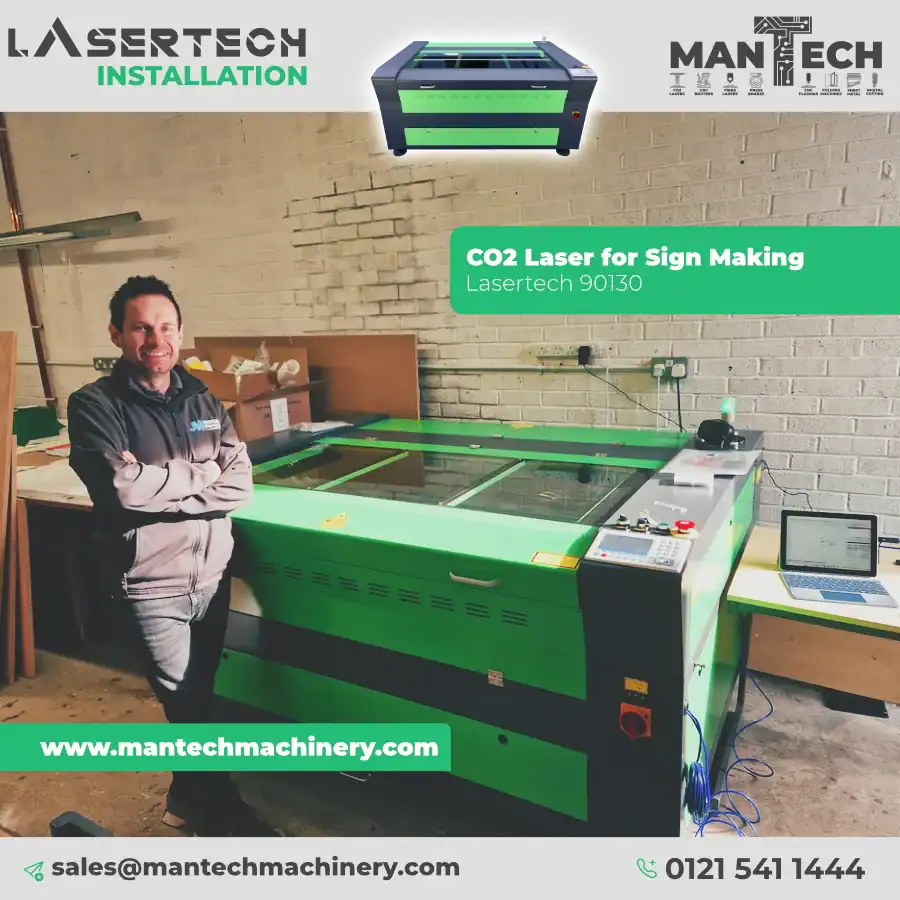
- Useful for signage, arts and crafts, model making, educational use
- Capable of light-duty metal cutting (typically <2 mm mild steel)
Comparison Table
| Feature | Fibre Laser | CO2 Laser |
|---|---|---|
| Wavelength | 1,064 µm (ideal for metals) | 10.6 µm |
| Power Range | 1.4kW-60kW | 80W – 150W |
| Material Compatibility | All conductive metals | Non-metals, thin metals only |
| Cutting Speed | Extremely fast on metals | Moderate; faster on acrylics |
| Cut Quality | Clean edges, fine kerf, minimal HAZ | Clean on acrylics, variable on metal |
| Energy Efficiency | High (~25-45%) | Lower (~10-15%) |
| Maintenance | Very low; solid-state components | Moderate; tube and optics maintenance |
| Machine Formats | Compact, shuttle-bed, tube cutters | Desktop to large-format |
Why Fibre Lasers Often Lead
Designed for Metal – Specifically engineered for all types of metals, including reflective ones.
Exceptional Precision – Positioning accuracy as fine as ±0.02 mm, ideal for intricate and repeatable work.
Lower Running Costs – High energy efficiency, no gas refills, and reduced consumables.
Speed and Productivity – Outperforms CO₂ in metal throughput and cycle time.
Minimal Maintenance – Fibre systems require far less upkeep than gas-based lasers.
When a CO₂ Laser is Still Useful
- If your work focuses primarily on non-metal materials.
- You’re in education, craft, signage, or model-making industries.
- You require a cost-effective, entry-level laser cutter for light applications.
- You occasionally cut thin metal and prioritise a broader material range.
Final Verdict: Fibre Laser for Sheet Metal Wins
Contact Mantech Machinery
UK: 0121 541 1444
With over 25 years of engineering expertise, we supply, install, and support laser cutting systems that empower your production.