Benefits of using a CNC Router for Camper Van Conversions
CNC Router for Camper Van Conversions: A Practical Guide to Components, Materials and Machine Choice
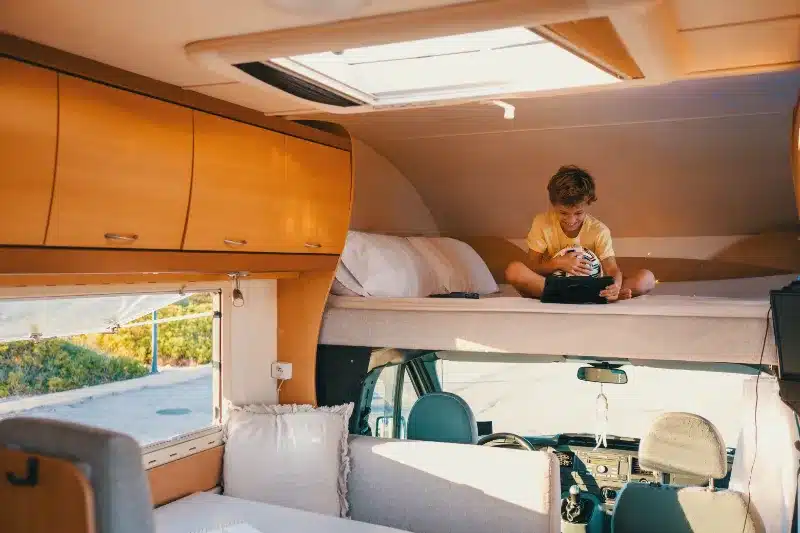
This guide covers what a CNC routing machine can actually do in a camper van conversion workflow, which materials it handles, which components it produces best, and which machine from the Mantech range suits different scales of operation — from a sole trader doing two or three builds a year, through to a specialist converter running multiple vehicles at once.
What a CNC Router Actually Does in a Van Conversion Workflow
The key advantage over manual cutting is repeatability. If you build the same van layout twice — or fifty times — every component comes out identical. Joints fit first time. Cabinet doors line up. Curved panels match their templates. That consistency is what separates professional-looking conversions from builds that need a lot of filler and fudging.
Beyond cutting, a CNC routing machine can also engrave, profile edges, drill fixing holes at precise locations, and cut complex curved shapes that would be extremely difficult to achieve by hand. For van converters, this opens up design possibilities — shaped headlinings, contoured furniture fronts, inlaid flooring details — that were previously only achievable by skilled woodworkers working slowly.
Materials Used in Camper Van Conversions That a CNC Router Can Cut
Birch plywood (6mm–18mm): The most widely used structural material in van builds. CNC routing gives clean, splinter-free edges without the tearout common with jigsaws. Nesting software in VCarve Pro allows you to fit multiple components onto a single sheet with minimal waste — important when you’re paying £60–80 per sheet for quality ply.
MDF and lightweight MDF: Used for furniture panels, headlining boards and decorative pieces. CNC routing produces consistently smooth edges that take primer and paint well. Fine dust extraction is important when routing MDF — our machines include extraction as standard, with upgraded filtration available.
XPS and PIR foam insulation boards: CNC routers can cut foam insulation to precise thicknesses and shapes, allowing a much tighter fit against van ribs and bodywork curves. This improves thermal performance compared to rough hand-cut panels.
ACM (aluminium composite panels): Increasingly popular for van splashbacks, worktop surrounds and exterior trim. ACM cuts cleanly on a CNC router with the correct tooling and feed rates. Our Apollo range handles ACM comfortably.
Solid surface and Corian: Used for worktops and sink surrounds in higher-specification builds. CNC routing allows precise cutouts for sinks, hobs and drains with smooth, radiused edges.
Solid timber and hardwoods: Feature shelving, table tops and decorative elements machined from solid timber produce a premium finish. The CNC router holds tolerance through grain direction changes that cause problems with hand tools.
Camper Van Components Best Suited to CNC Routing
Furniture Carcasses and Cabinet Work
Kitchen units, bed bases, overhead lockers, seating bases and wardrobes are the backbone of most van layouts. CNC cutting these from ply or lightweight MDF gives tight-fitting joints — rebates, dadoes and dowel holes can all be machined in a single operation. If you’re building the same layout repeatedly, nesting the full component set onto sheets and running a batch cut takes a fraction of the time compared to hand-cutting each piece.
Flooring and Subfloor Panels
Van floors are rarely rectangular. Wheel arch cut-outs, sill steps, door apertures and drainage channels all require precise shaping that takes considerable time with a jigsaw. A CNC routing machine cuts these contoured floor panels from a DXF template in minutes, with consistent results across multiple vehicles of the same make and model.
Wall Linings and Headlining Panels
Thin ply wall linings (3mm–6mm) cut cleanly on a CNC router, including the precise apertures needed for light fittings, USB sockets and ventilation grilles. Getting these cutouts accurate by hand is fiddly and prone to error — a small deviation at marking-out stage can result in visible gaps around fittings.
Furniture Fronts and Decorative Panels
Shaped cabinet door fronts, V-carved lettering, profiled edges and decorative grilles are all within reach of a CNC routing machine. For converters looking to differentiate their builds — or offer customers bespoke layouts — this kind of customisation would be impractical to produce manually at any volume.
Production Efficiency: One Van vs Multiple Builds
For a specialist converter running five or more builds simultaneously, the machine becomes a production tool — components for multiple vehicles can be nested and cut in batches, dramatically reducing the time each build spends in the cutting and fitting stages.
The nesting capability in VCarve Pro — included as standard with every Mantech CNC router — is particularly useful here. True shape nesting fits irregular components together on a sheet intelligently, typically improving material utilisation by 15–25% compared to manual layout. On ply-heavy builds, that saving adds up quickly.
Which CNC Router Is Right for a Camper Van Conversion Business?
Spartan Series — Best for Sole Traders and Small Workshops
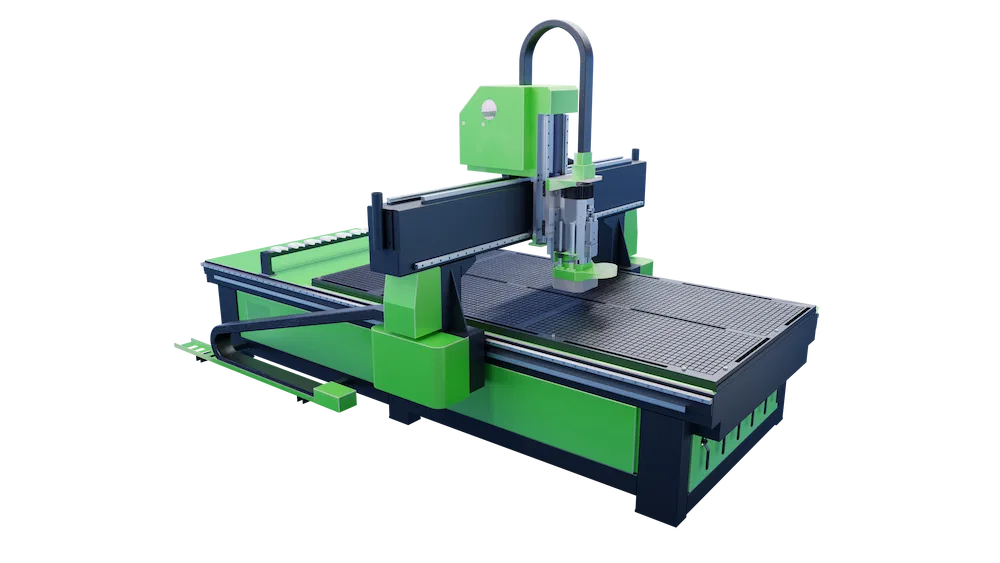
The Spartan is an 8×4 ft CNC routing machine starting from £6,990 +VAT. It’s well suited to converters who are making the step from hand tools into CNC for the first time. It handles ply, MDF, foam and light composites without difficulty, and its compact footprint suits workshops where space is tight. If you’re doing a handful of builds a year and want to cut your production time without a large capital outlay, the Spartan is a practical starting point. Spartan CNC Routers
Falcon ATC — Best for Growing Converters Needing Speed
The Falcon ATC adds automatic tool changing to a compact footprint. For van converters, this is most useful when a single job involves multiple toolpaths — say, profiling a cabinet panel, drilling and fixing holes and engraving a customer’s name in a single automated run. The 9.0 kW spindle handles hardwoods and ACM as comfortably as ply and MDF. Falcon ATC CNC Routers
Apollo ATC — Best for Production Converters and Batch Builds
The Apollo ATC is built for production environments. If you’re running multiple van builds at once and need to batch-cut component sets reliably and quickly, the Apollo delivers industrial-grade throughput with a vacuum bed for secure hold-down across full 8×4 sheets. It’s the machine of choice for converters who have moved beyond occasional builds into a proper manufacturing operation. Apollo ATC CNC Routers
Software: Designing Van Components in VCarve Pro
Converters who design in SketchUp, Fusion 360 or similar packages can export DXF or SVG files and bring them straight into VCarve Pro for toolpath generation. The learning curve is manageable — most new users are cutting their first components within a day of installation, and Mantech includes on-site operator training with every machine.
What’s Included When You Buy a Mantech CNC Router
- UK mainland delivery and HIAB offload where required
- Full on-site installation and commissioning by a Mantech engineer
- Vectric VCarve Pro software licence
- On-site operator training in your workshop
- Industrial extraction and vacuum bed
- UK warranty (12–24 months depending on model)
- Ongoing UK-based technical support
Frequently Asked Questions
What size CNC router do I need for van conversion work?
Can a CNC router cut the curved shapes found in van bodywork?
Is a CNC router worth it if I only do a few van conversions a year?
What materials can a CNC routing machine not cut?
Do I need prior CNC experience to operate one of your machines?
Talk to a Mantech CNC Specialist