In a demanding UK fabrication market, staying competitive means tightening every step of the bend cell — not only the cut. If you still rely on manual or outdated bending methods, scrap, rework and missed deadlines usually show up first. For most shops looking to grow throughput and quality, a CNC press brake is a strategic move — not a nice-to-have. These five reasons explain why, and how to route toward the right Rhino platform from Halesowen.
CNC bending pays back when everyday flanges drive scrap, rework and lead-time risk — not when volume is occasional. Compare Rhino torsion bar press brakes and Rhino Premium CNC, check force on the bending calculator, and walk selection in how to choose a CNC press brake.
The short answer: CNC bending pays back when everyday flanges drive your quotes
A CNC press brake is not only a stronger beam. Used well, it changes how you quote, programme, repeat and control flanges — from brackets and enclosures to complex multi-bend sequences. Value depends on tonnage, bed length, control class and utilisation — not brochure peak thickness alone. The reasons below only pay back when the machine matches the bends you run every week.
Browse Rhino torsion bar press brakes and Rhino Premium CNC press brakes. Size force on the bending calculator, then walk the full selection checklist in how to choose a CNC press brake.
1. Unmatched precision and accuracy — eliminate costly errors
Manual bending and worn mechanical stops introduce angle scatter that shows up as scrap, rework and failed QC. CNC backgauges, programmable depth and stored bend sequences keep flanges consistent shift after shift — so parts meet drawing before they leave the cell.
- Scrap material — inaccurate bends waste sheet and cut into margin.
- Rework and delays — correcting errors disrupts schedules and stretches lead times.
- Quality control issues — inconsistent bends damage reputation when assemblies will not fit.
- Digital backgauges and depth stops — control position and bend depth on every hit.
- Programmable bend angles and sequences — complex multi-bend jobs repeat without guesswork.
- Real-time monitoring on advanced systems — feedback loops help correct for material variation.
Everyday flanges and simple backgauge work often suit Rhino torsion bar CNC with Delem DA-41T. Tighter angles and higher axis counts push toward Rhino Premium CNC.
2. Dramatically increased production speed and efficiency
CNC controls cut changeover time and keep cycle times predictable — so you can plan capacity against real demand instead of hoping the next bend lands on angle. That is how shops meet tight deadlines without adding overtime as the default fix.
- Faster setup — programmes load quickly and changeovers shrink between jobs.
- Automated bending sequences — complex nests run with less operator intervention.
- Consistent cycle times — predictable hits support accurate production planning.
- Higher throughput — more finished parts per shift when programmes and tooling are ready.
- Reduced labour on repetitive hits — skilled operators move to programming and QA.
- Improved lead times — faster fulfilment strengthens quoting against subcontract bending.
Watch Delem DA-41T bending and the premium press brake introduction before a Halesowen demo.
3. Enhanced operator safety — protect your workforce
Modern CNC press brakes reduce how often operators stand in the danger zone during the bend. Predictable machine motion, guarding discipline and (on premium cells) light-curtain style protection lower accident risk compared with improvised manual setups.
- Reduced manual handling near the bending area during automatic sequences.
- Consistent, predictable CNC motion — fewer surprise machine behaviours.
- Fewer workplace accidents — lower injury cost, downtime and insurance exposure.
- Improved morale — operators prefer modern, safety-focused equipment.
- Easier compliance with industrial safety expectations on the shop floor.
Premium platforms can add OEM-embedded Lazersafe and interlocked fencing options — compare packages on the premium hub. All installs still need space for sheet staging, scrap and safe approach; Mantech commissions and trains from Halesowen.
4. Increased versatility and complexity — expand what you can quote
CNC control unlocks bend geometries that are slow or impractical by hand — multi-bend sequences, hemming and mixed material programmes. That opens markets manual cells cannot serve cleanly, and lets designers push flange complexity knowing the shop can keep up.
- Complex bend geometries — multiple bends, hemming and intricate sequences under programme control.
- Wider material and thickness mix — steel, aluminium and stainless with the right tooling.
- Faster prototyping and customisation — programme changes beat re-jigging a manual brake.
- Access to tighter-tolerance work — enclosures, brackets and assemblies that need fit first time.
- Competitive differentiation — offer forming services rivals limited to manual bending cannot match.
When box-and-pan work dominates — or you only need straight blanks — compare hydraulic folders and industrial guillotines before you overspec a brake. Many UK shops run shear + brake as a pair.
5. Long-term cost savings and ROI — a smarter capital choice
ROI on a CNC press brake comes from scrap reduction, faster throughput and less rework — not from a single invoice line. When everyday flanges drive revenue, payback accelerates; when volume is occasional, a folder or subcontract route may still be wiser. Size the machine to real work, then model ownership honestly.
- Lower labour on repetitive bends — automation frees skilled time for higher-value tasks.
- Less scrap and rework — precision cuts material and labour waste.
- Higher production capacity — more revenue from the same floor footprint.
- Modern platforms designed for reliable service intervals versus worn legacy brakes.
- Faster payback when savings and throughput stack on the same cell.
- Stronger business value — a capable bend cell is an asset buyers and lenders recognise.
Sanity-check force and V-die choices on the press brake bending calculator. For blank yield before the bend, see the sheet yield calculator. Walk tonnage, bed length and control class in how to choose a CNC press brake.
Which press brake route should you explore?
| Route | Best suited to | Next step |
|---|---|---|
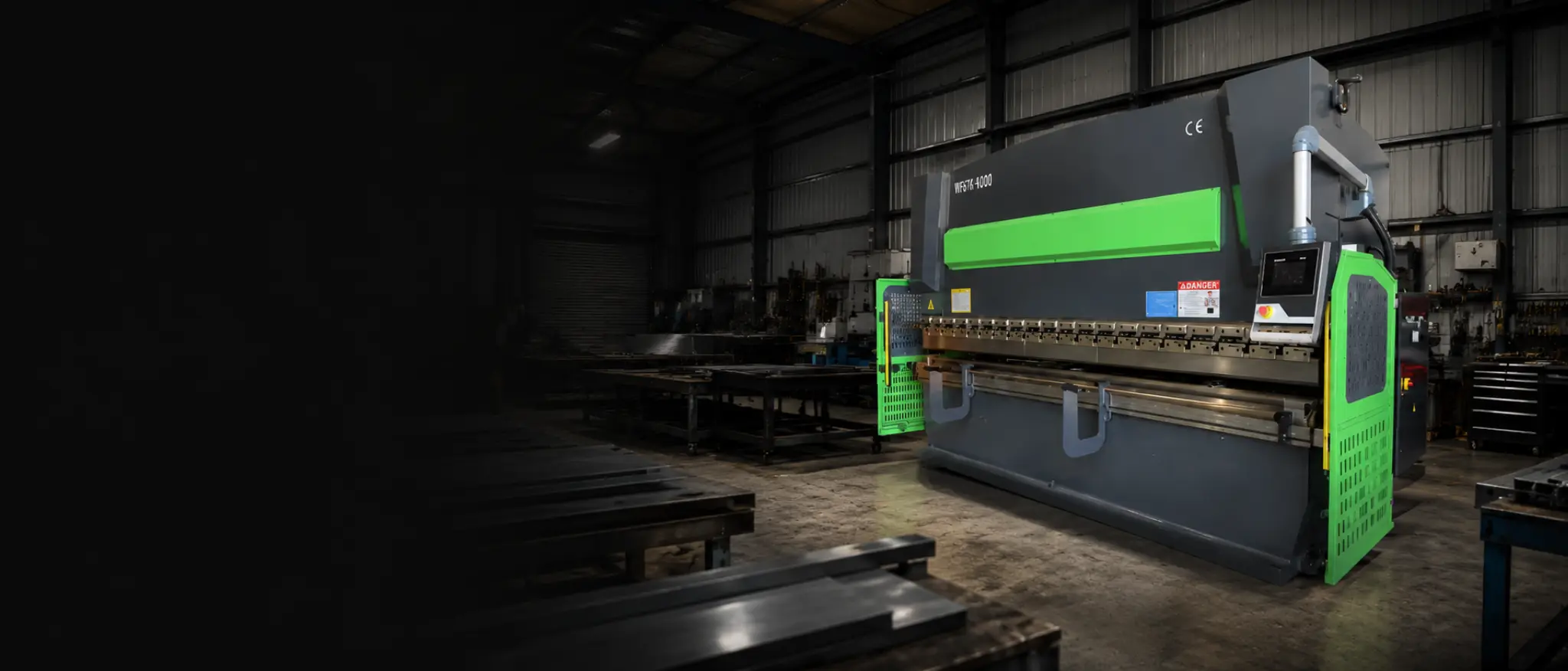
| Torsion bar CNC (Rhino W67Y) | Affordable accurate CNC bending — everyday mild-steel flanges, brackets and enclosures | Torsion bar press brakes hub |
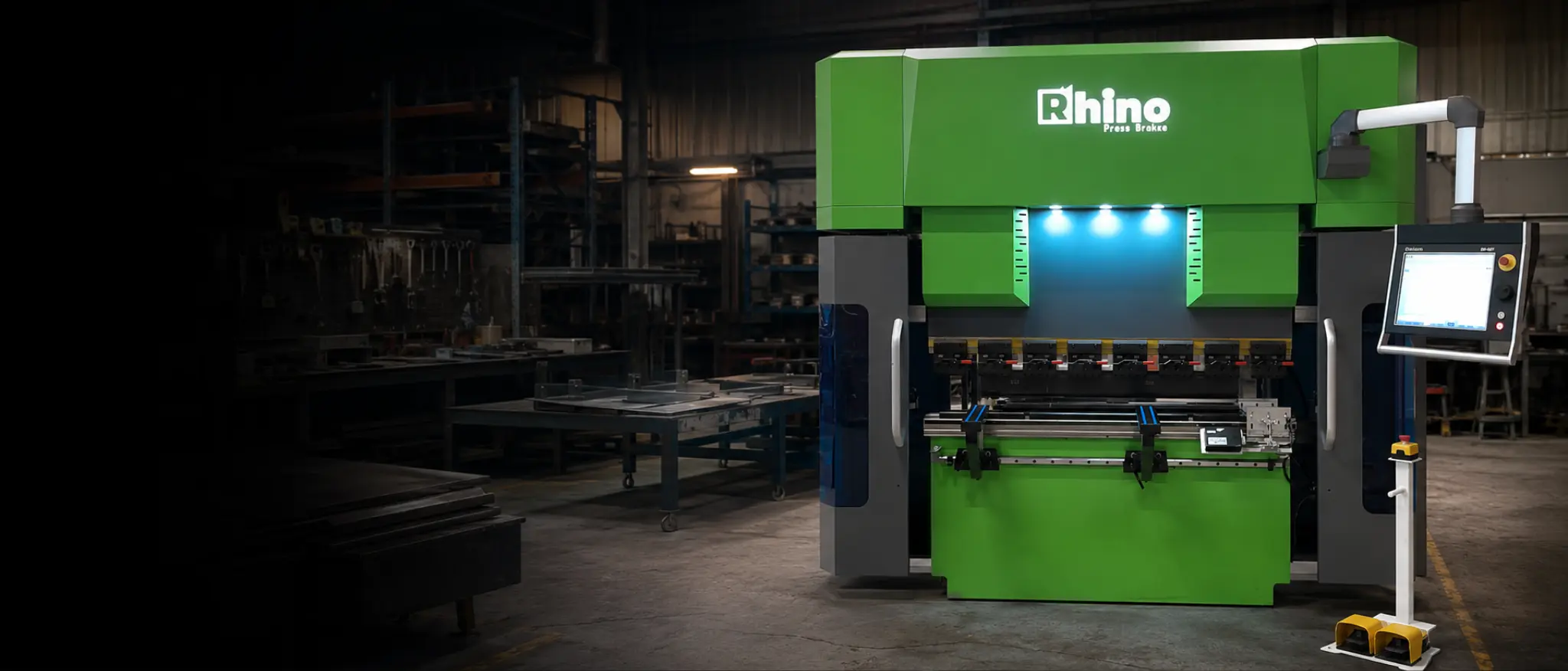
| Premium CNC (Rhino Premium) | Multi-axis accuracy, crowning control and tighter angle repeatability | Premium CNC press brakes hub |
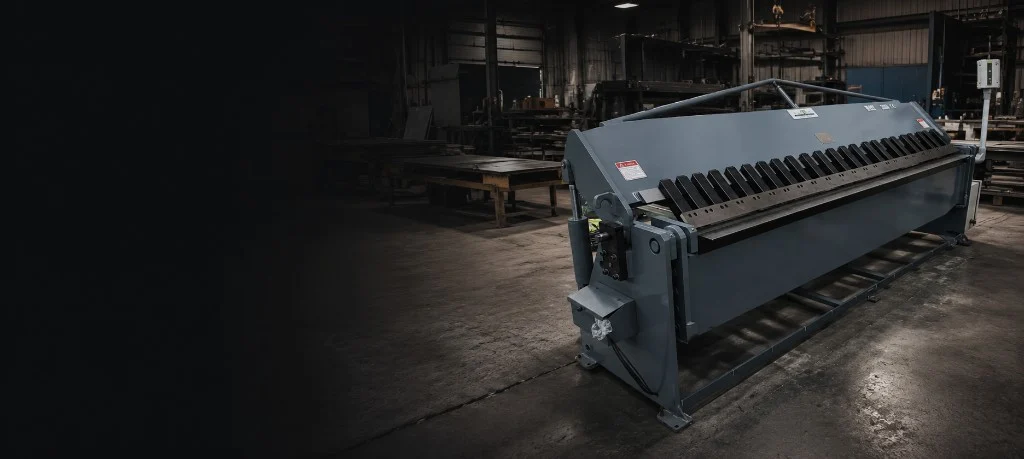
| Hydraulic folder | Box and pan folding when a full brake cell is not the first fit | Hydraulic folders hub |
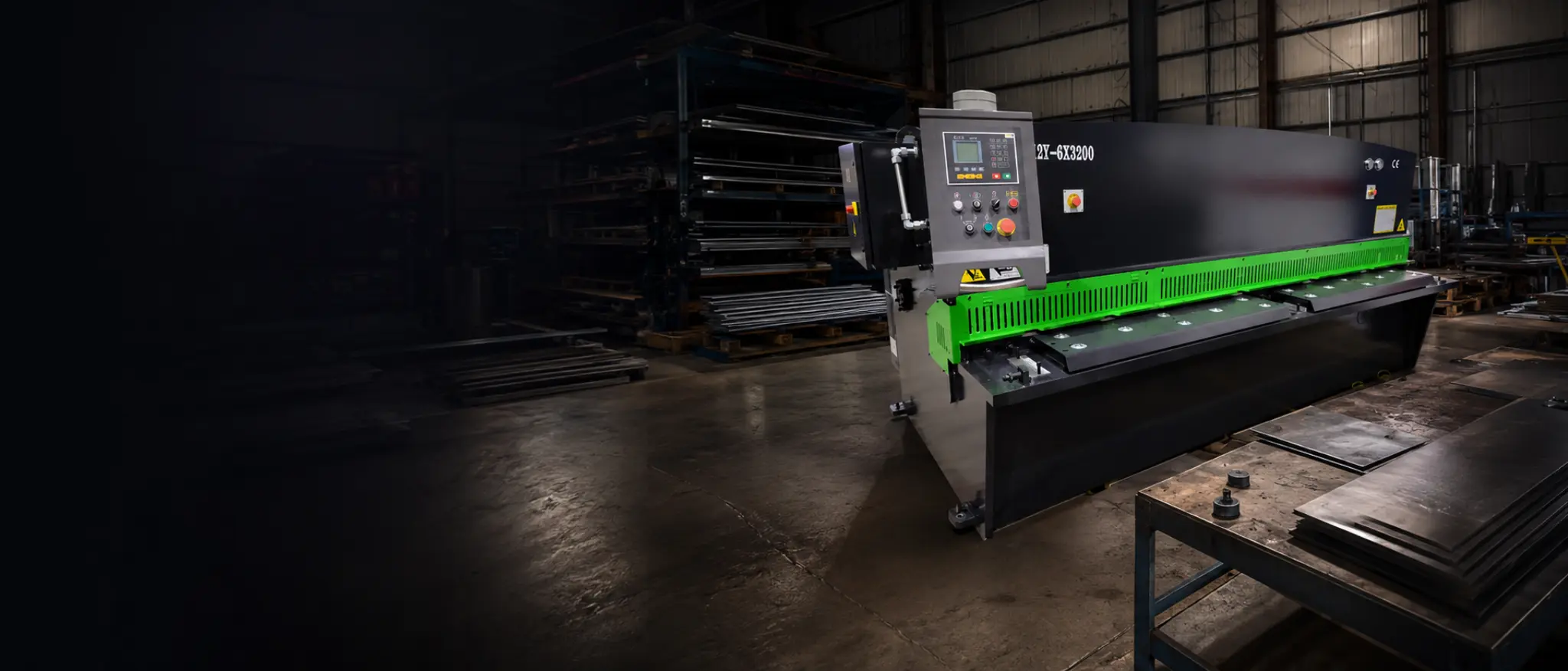
| Industrial guillotine | Straight blanking before the bend cell | Industrial guillotines hub |
Compare torsion bar press brakes, premium CNC press brakes, hydraulic folders and industrial guillotines on the live hubs.
When a CNC press brake may not be the right investment yet
- Insufficient repeat flange work to justify floor space, tooling and training.
- Jobs dominated by box-and-pan folding — a hydraulic folder may fit better first.
- No straight blanking capacity — size a guillotine or laser nest before overspeccing the brake.
- No operator time for CNC programmes, tooling setup and daily care.
- Unclear tonnage or bed length for everyday jobs — fix the process map first.
Explore Mantech CNC press brakes
Mantech Machinery UK supplies Rhino torsion bar and Premium CNC press brakes from Halesowen with UK installation, commissioning and operator training. If you are replacing a failed brake, bringing bending in-house, or pairing a new shear with a bend cell, our engineers can map tonnage, bed length and control class to your everyday work.
Compare torsion bar press brakes and premium CNC press brakes, plan force on the bending calculator, or call 0121 541 1444. See a production install in the Kes Power case study and browse UK installs on installations.
Useful next reads
- How to choose a CNC press brake (UK)
Full buyers guide — tonnage, bed length, torsion vs premium, tooling and safety.
- Press brake bending calculator
Estimate tonnage, V-die opening and flange geometry before you shortlist.
- Rhino torsion bar press brakes
Affordable CNC bending range — Delem DA-41T and Euro tooling.
- Rhino Premium CNC press brakes
Multi-axis DELEM platforms when accuracy and crowning matter.
- Industrial guillotines
Straight blanking before the bend cell.
- Kes Power & Lighting case study
100T torsion brake in electrical enclosure manufacturing.
Frequently asked questions
Why does a fabrication shop need a CNC press brake?
When everyday flanges drive quoting, CNC bending improves angle consistency, throughput and scrap control versus manual or worn mechanical methods. Value depends on tonnage, bed length, control class and utilisation — not the machine badge alone.
Is a CNC press brake worth it for a small UK workshop?
Often yes when you regularly subcontract bending or fight scrap and rework on repeat flanges — but only if you have operator time, tooling, floor space and support planned. Start with the buyers guide and bending calculator before you fix budget.
Torsion bar or premium CNC press brake?
Torsion bar CNC with Delem DA-41T suits many UK shops doing accurate everyday flanges on a controlled budget. Premium CNC earns its place when multi-axis backgauge, crowning and tighter angle repeatability drive your quoting. Compare both hubs before you decide on price alone.
How do I estimate the tonnage I need?
Estimate force from material, thickness, bend length and V-die opening for your everyday jobs — not brochure peak thickness. Use the press brake bending calculator as a planning check, add a safety margin for stainless, and confirm tooling tonnes-per-metre as well as machine-rated tonnage.
Should I buy a press brake, folder or guillotine first?
If you lack straight blanking capacity, a guillotine (or laser) may come first. Box-and-pan work can favour a hydraulic folder. A CNC press brake is the forming centre for general flanges and production bending — many shops eventually run shear + brake together. Map the process gap, then shortlist.