When you cut sheet metal every week — mild steel, stainless, aluminium — the platform you choose shapes quoting speed, finish quality and running cost. Fibre laser cutters have become the default for UK fabrication shops, colleges and production cells that need repeatable flat-sheet profiles without the maintenance overhead of older metal-cutting routes. If you are comparing fibre against CO₂, plasma or subcontract cutting, these five practical reasons explain why so many UK workshops specify solid-state fibre — and how to narrow your next step on the Mantech Vector range.
Platform choice starts on the fibre hub with bed size and kW, not brand badges alone. Compare Vector FL60 through FL250 on the fibre laser hub, read the power guide for everyday sheet thickness, and model payback on the fibre ROI calculator before you spec assist gas and extraction.
Convinced fibre fits? Browse the fibre laser cutters range, dig into platform choice with the buyer's guide, and model payback on the fibre laser ROI calculator.
Faster cutting on suitable sheet metals
Solid-state fibre sources deliver high power density at the cut front, which translates to shorter cycle times on mild steel, stainless and aluminium within each machine's rated thickness range. For busy fab shops quoting panels, brackets and sheet assemblies, that throughput difference shows up in jobs per shift — not just demo-day peak speeds.
Vector platforms from entry kW tiers through high-power production beds are sized for UK sheet formats. Faster cutting only matters when the machine matches your everyday material mix — compare models on the fibre laser cutters hub and read the fibre laser power guide to align kW with the thickness you actually nest most days.
Cleaner, more accurate profiles
Fibre delivery produces a narrow, stable kerf on suitable metals, which helps when parts must mate cleanly or slot into assemblies without secondary dressing. Edge quality varies by material, thickness and assist gas — but compared with many older processes, fibre typically reduces edge dross and follow-on grinding on the jobs UK workshops run most often.
Schools and colleges benefit too: repeatable profiles make project marking and assessment easier. If your work includes fine features or tight internal corners within the machine's capability, spec the right cut head and nesting workflow — our UK engineers can walk through sample parts during a demo at Halesowen.
Lower running costs compared with older processes
Running economics are not just electricity. Fibre solid-state sources avoid the tube replacement cycle of CO₂ metal cutting, and efficient assist-gas use on well-set programmes can lower cost per part over a year of production. Many workshops also report less consumable spend on edge cleanup — time that can go back into billable cutting.
The environmental case is practical too: less waste from rework, no laser gas tube disposal cycle, and lower energy per useful metre on suitable sheet work when the machine is sized correctly. Model your shift pattern on the fibre laser ROI calculator and read our fibre laser cost guide for UK ownership context before you commit to a platform.
Scalable power and bed size choices
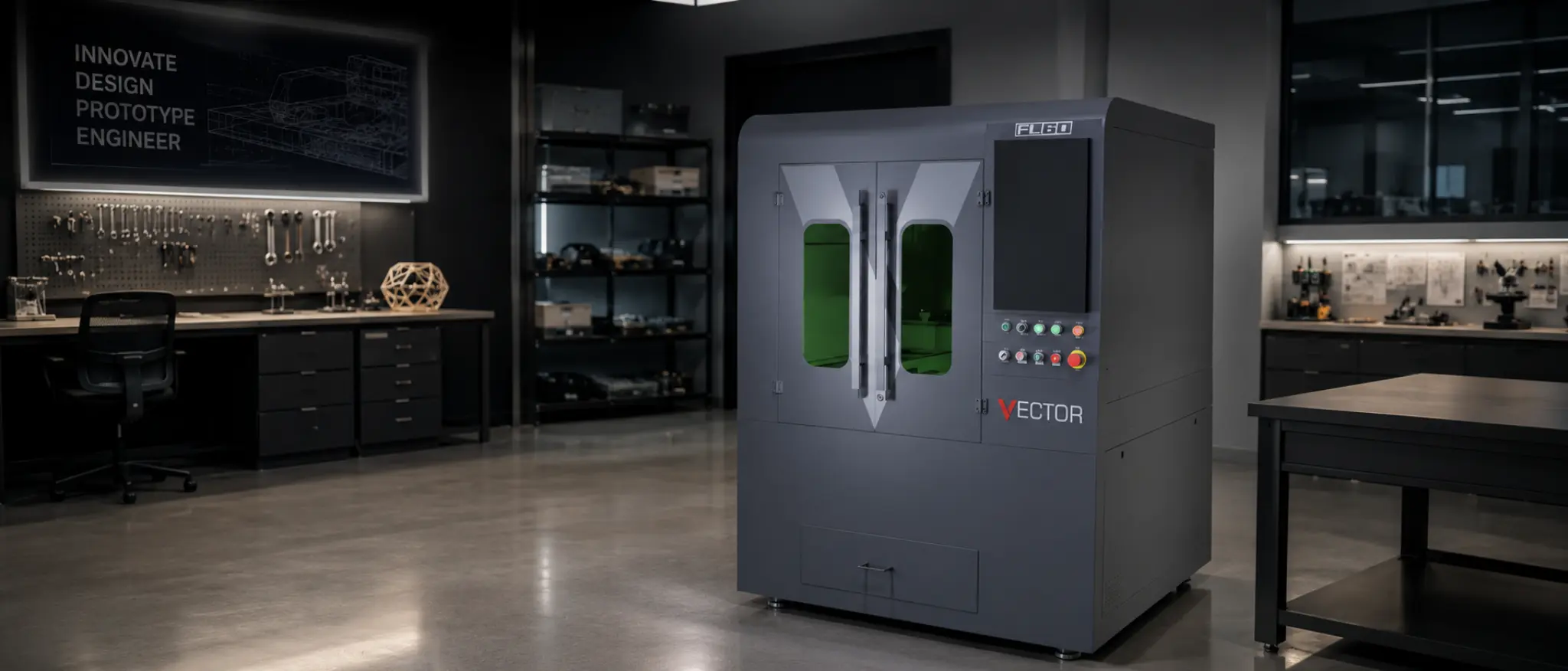
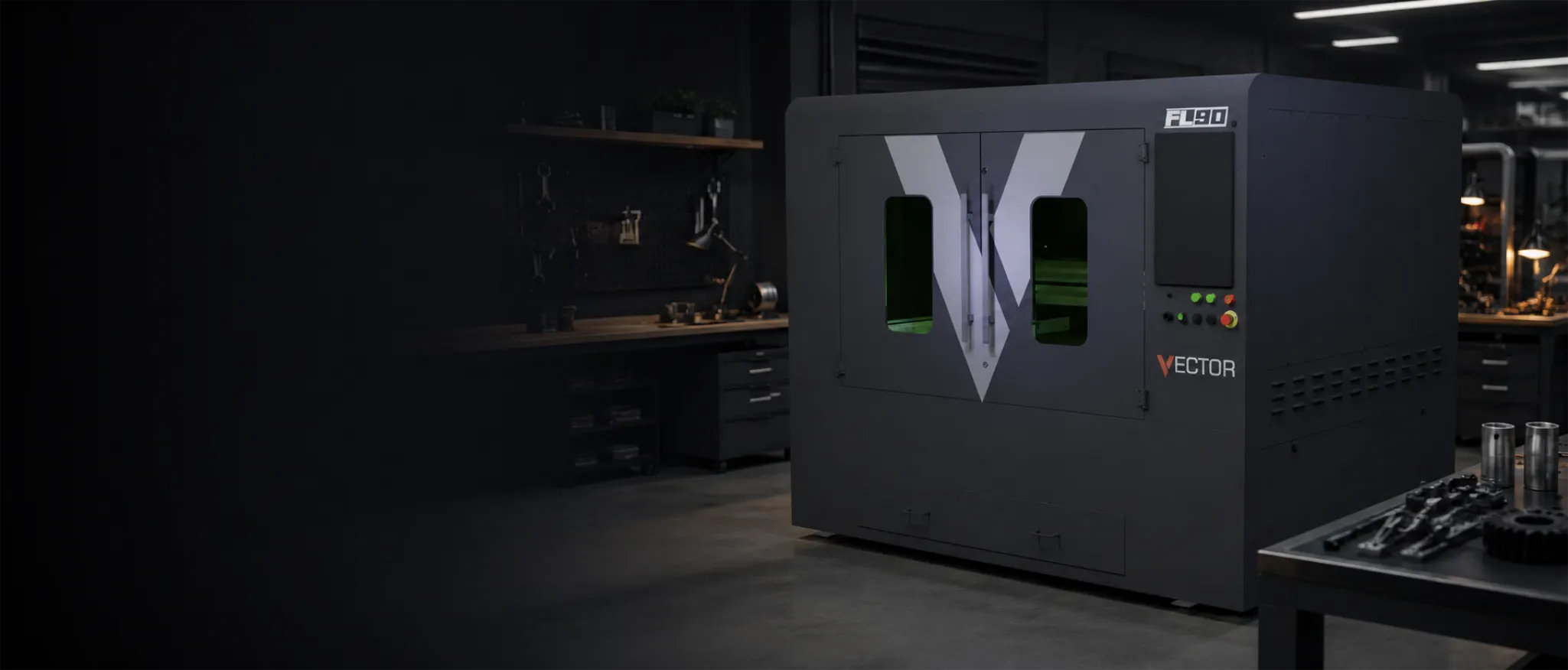
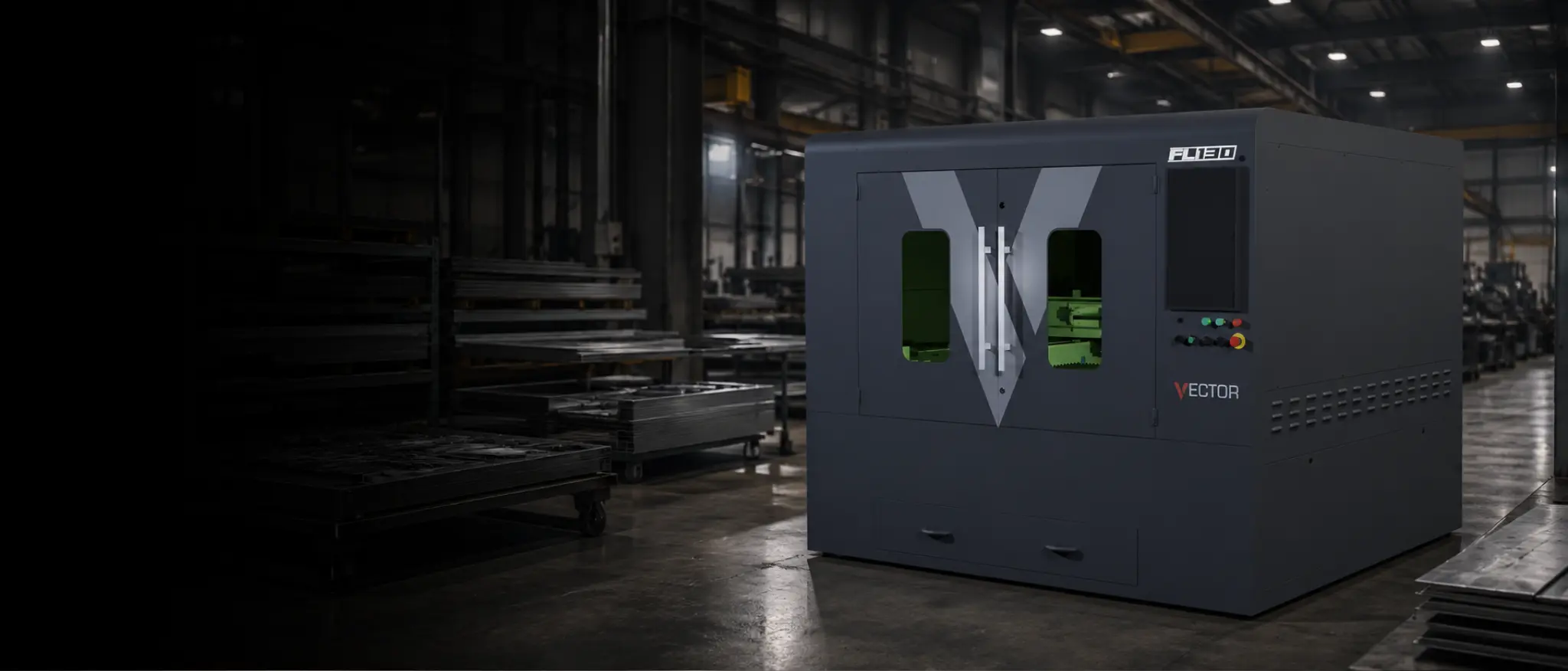
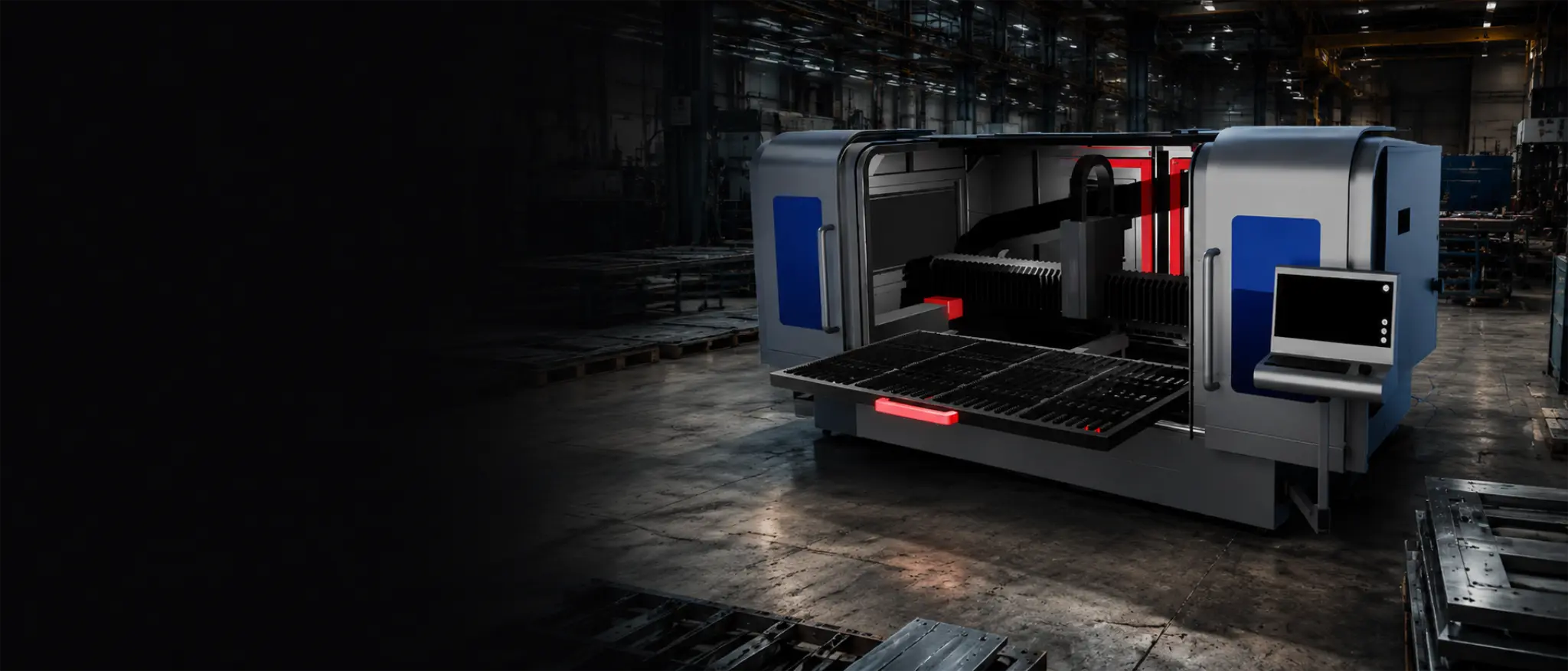
Fibre is not one machine. Compact Vector FL60 and FL90 suit smaller footprints and education labs; FL130 steps up cutting area for busy job shops; FL250/300 covers full-size sheet production with industrial control. Power tiers from 3 kW through 20 kW map to thickness capability — match kW to your everyday range, not a single peak demo part.
That scalability replaces vague "flexibility" claims on legacy spec sheets: one technology path from first investment to production volume, with UK installation, training and service from Mantech. The power guide walks each kW tier in plain language if you are still shortlisting.
Better fit for modern UK fabrication workflows
UK workshops need more than a box on the floor. Mantech supplies Vector fibre lasers with installation, operator training, nationwide engineer support and application advice from staff who understand fabrication — not just sales brochures. Whether you are a subcontract panel supplier, an SME diversifying from manual processes, or a college building advanced manufacturing capacity, fibre fits CNC nesting, just-in-time sheet batches and lean cell layouts.
See real UK installs on our installations page and education setups on the education machinery hub. Pair your machine plan with proper extraction and safety review — read the fibre laser safety guide and size extraction on the Kemper fibre laser extraction hub as part of a responsible buy.
Which fibre laser is right for your workshop?
The right Vector model depends on material type, sheet size, thickness range, production volume, extraction and safety setup, and available floor space — not headline kW alone. Start on the fibre laser cutters hub to compare FL60 through FL250/300, then shortlist one or two models for a demo with your own sample files. If you still weigh fibre against CO₂ for mixed work, read our fibre vs CO₂ laser guide and the sheet-metal comparison for UK quoting contexts.
Mantech UK engineers can help you align platform, power and extraction before you quote — call 0121 541 1444 or request a quote with your nest sizes and shift targets.
Useful next reads
- Fibre laser cutters hub
Compare the full Vector range, bed sizes and UK support options in one place.
- Vector FL90 fibre laser
A proven mid-tier platform for education labs and busy fabrication shops cutting everyday sheet metal.
- Fibre laser power guide
Match 3 kW, 6 kW, 12 kW and 20 kW tiers to your material thickness and shift length.
- Fibre laser ROI calculator
Model payback from subcontract spend you can bring in-house — without list pricing.
- Fibre laser cutting guide
A broader walkthrough of capability, materials and platform choices for first-time buyers.
Frequently asked questions
What materials can a fibre laser cutter cut?
Fibre lasers excel at mild steel, stainless steel and aluminium sheet within each platform's rated thickness range. They are built for metal fabrication — not acrylic, timber or CO₂-style engraving work. Match material mix to platform kW and bed size on the fibre laser hub before you quote.
Is a fibre laser better than a CO₂ laser for metal?
For flat-sheet ferrous and non-ferrous metal, fibre is usually the faster, lower-maintenance choice. CO₂ remains relevant for non-metal engraving, mixed maker workflows and some legacy setups. Read our fibre vs CO₂ guides for sheet-metal and general UK comparison scenarios.
What power fibre laser do I need?
Match kW to your everyday thickness and shift length — not a single peak demo part. Entry tiers suit lighter gauge and education; mid kW covers typical fab shop nests; high kW serves full-size production beds. The fibre laser power guide maps each tier to Vector models.
Are fibre laser cutters suitable for small UK workshops?
Yes, when bed size, extraction and power match your space and job mix. Compact Vector FL60 and FL90 fit smaller footprints; Mantech includes UK installation and operator training so a small team can run production safely. Speak to our engineers about sample parts and floor layout.
What should I consider before buying a fibre laser cutter?
Material type and thickness range, sheet size, production volume, assist gas and extraction, available space, and service backup. Model running cost with the ROI calculator, review safety and Kemper extraction options, and demo with your own nest files before you specify kW and bed format.