Fibre laser and CO2 laser cutters are different machine routes for different materials. Both are accurate laser processes, but they use different wavelength and power delivery — fibre through a solid-state source and fibre-optic delivery, CO2 through a laser tube and mirror path. The right choice starts with what you cut most days, not headline brochure speed.
The right platform depends on material mix, finish requirements and daily throughput — not headline speed alone. Explore flat-sheet fibre on the fibre laser hub, CO₂ ranges for engraving and non-metals on the laser hub, and our sheet-metal comparison if stainless and mild steel dominate your quoting.
For the fibre commercial range see fibre laser cutters; for a sheet-metal-specific angle read fibre vs CO₂ for sheet metal; and for CO₂ platforms stay on CO₂ laser cutting machines.
The short answer: start with the material
- Suitable metals — mild steel, stainless, aluminium and related fabrication stock — usually point toward fibre laser.
- Acrylic, wood, MDF, card, selected plastics and many craft or education workflows usually point toward CO2 laser.
- If you cut both, the dominant work type, production volume and finish requirements decide — you may need separate platforms or a clear primary route.
Explore live ranges on the fibre laser hub and CO2 laser hub. If sheet metal dominates, read the dedicated fibre vs CO2 sheet metal comparison next.
What is a fibre laser cutter best suited for?
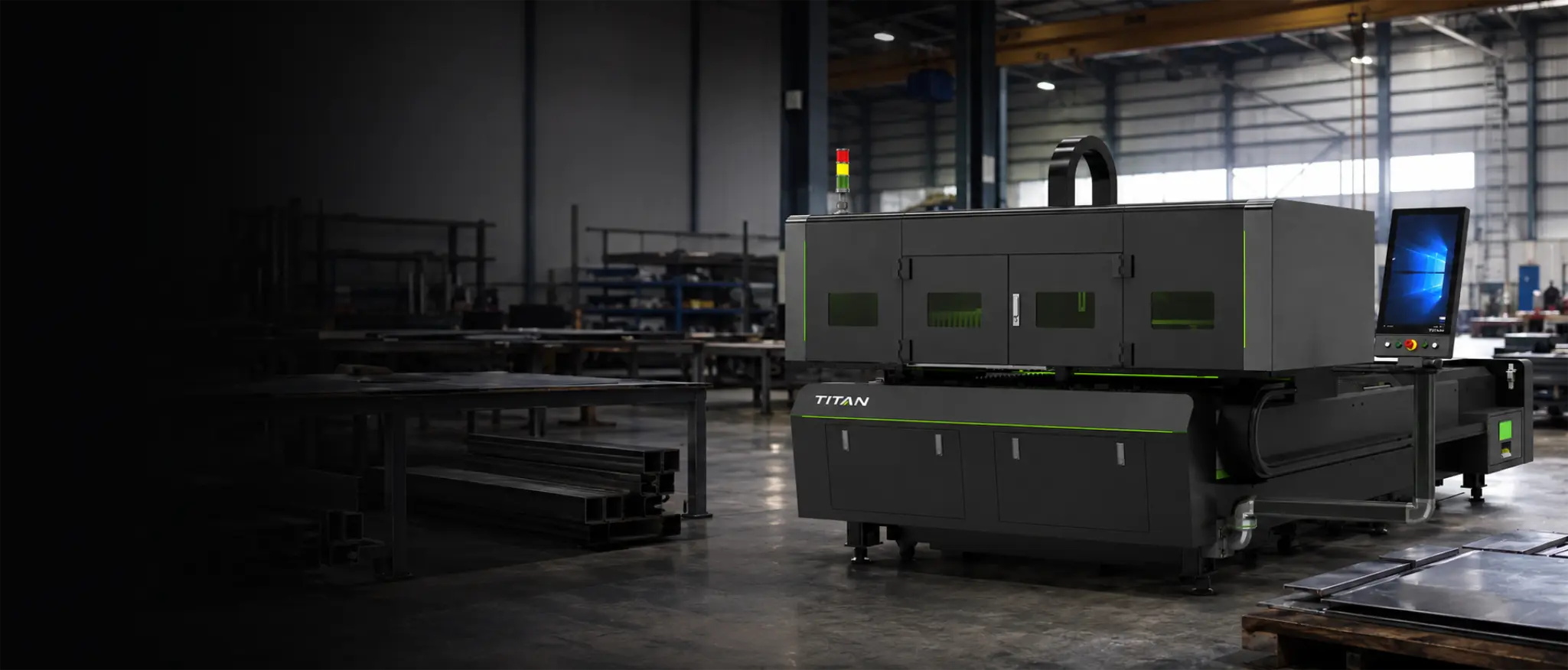
Fibre lasers are the metal-focused route for sheet fabrication — mild steel, stainless steel, aluminium and selected reflective metals on appropriate machine spec and application review. They suit engineering, general fabrication, enclosures, brackets, metal signage components and production sheet parts where repeatable nests matter.
- Sheet metal fabrication and subcontract cutting.
- Mild steel, stainless steel and aluminium within each platform's rated capability.
- Brass, copper and titanium where machine and cut-head spec support the application.
- Industries such as general fabrication, aerospace, automotive, marine, construction and medical components.
A fibre laser uses a fibre-optic cable to focus and intensify the beam before it reaches the sheet — not a CO2 tube and mirror stack. Power tier, bed size, assist gas and extraction must match your everyday material mix.
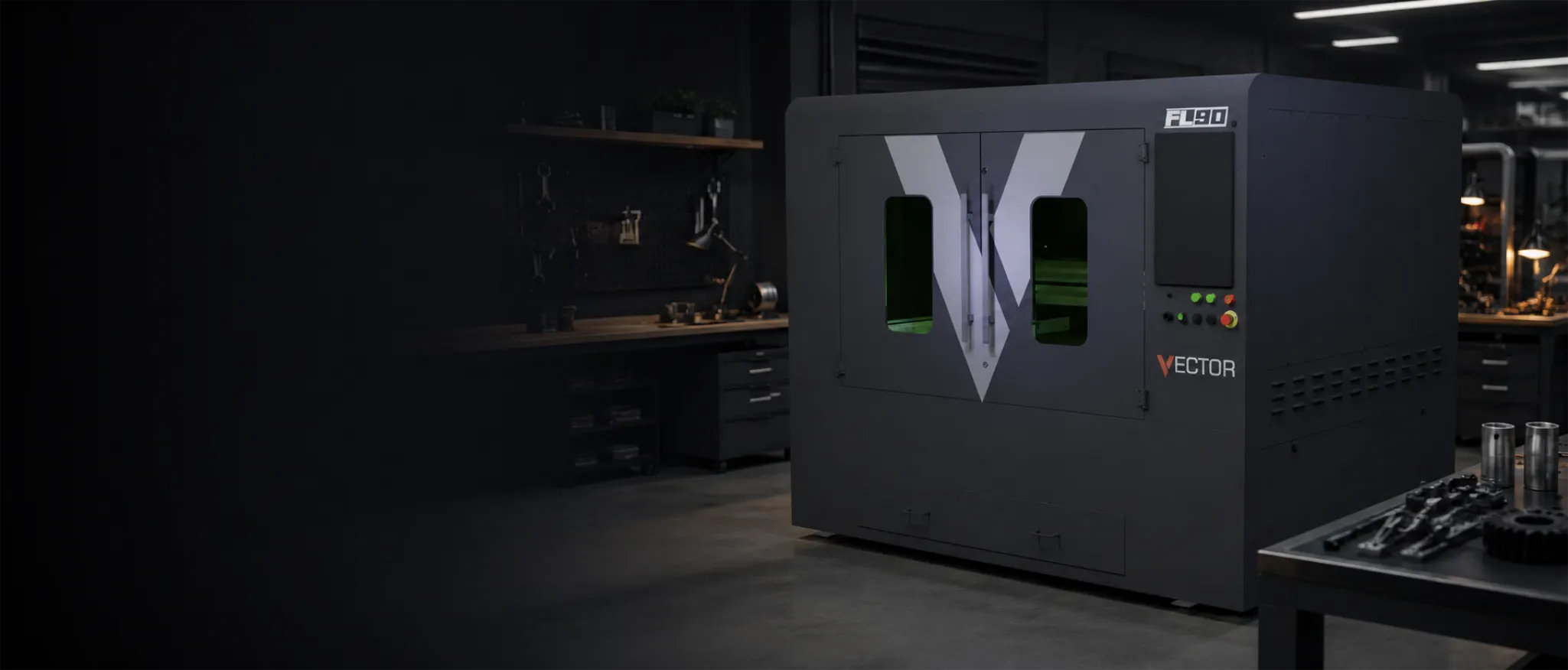
Compare Vector platforms on the fibre laser hub, read the fibre laser power guide and explore Vector FL90 as a common UK mid-format shortlist.
What is a CO2 laser cutter best suited for?
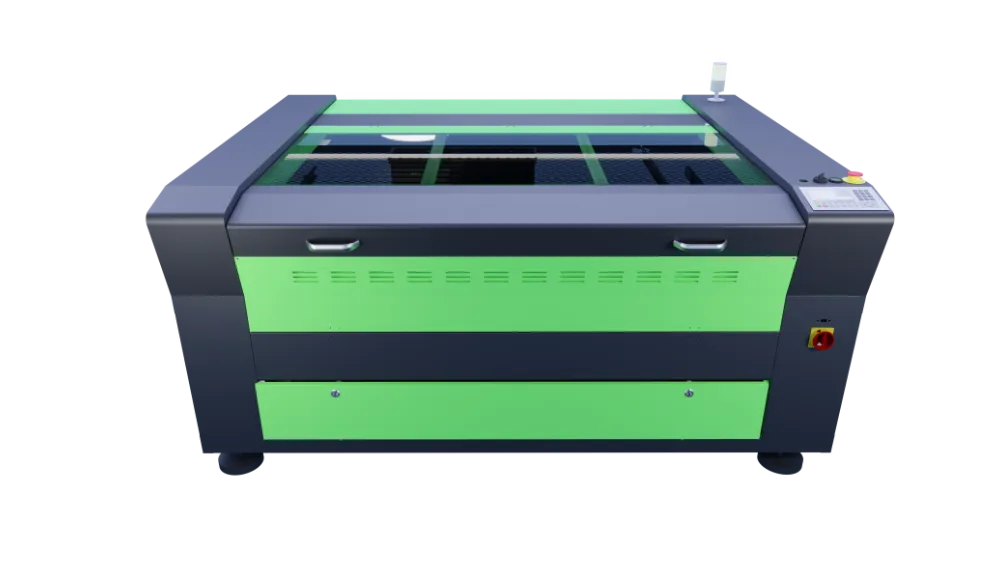
CO2 laser cutters are a firm favourite for versatility on non-metal materials — cutting and engraving card, paper, wood, acrylic and many display or craft stocks with high accuracy. Some platforms support rotary attachments for cylindrical engraving. Standard CO2 routes are not the production answer for sheet metal fabrication; fibre remains the metal-focused platform.
- Acrylic, wood, MDF, card and paper.
- Signage, display, packaging mock-ups and craft production.
- Education, maker spaces and workshop engraving workflows.
- Selected plastics where supplier guidance confirms laser suitability — avoid unsuitable stocks such as PVC that release harmful fumes.
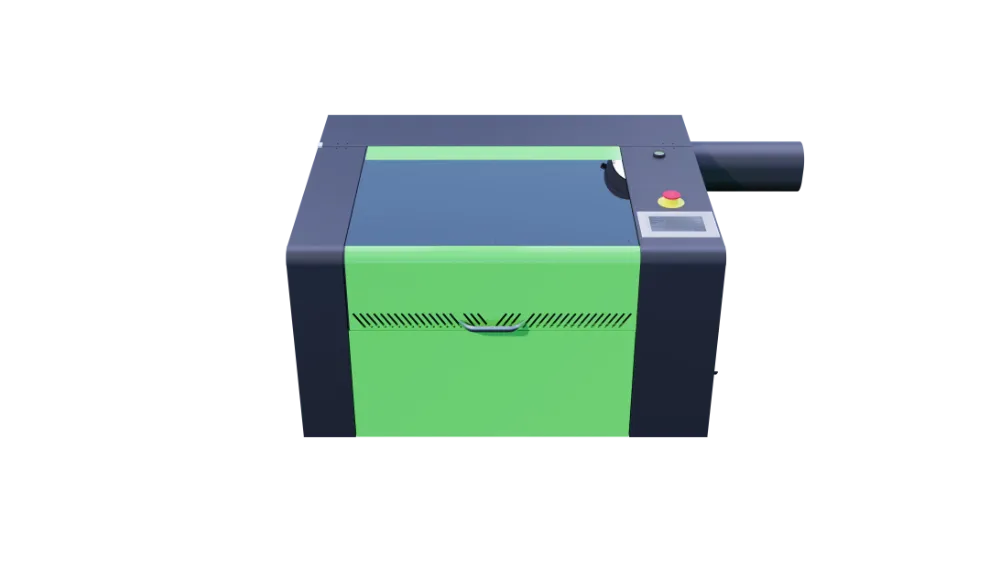
Explore Desktop, Pro and Large Format on the CO2 laser hub, including Lasertech Desktop and Lasertech Pro. Read choosing CO2 laser wattage when rated power and bed size are still open.
Fibre laser vs CO2 laser comparison table
| Buyer question | Fibre laser route | CO2 laser route | What it means |
|---|---|---|---|
| Main material | Suitable metals — sheet fabrication stock | Non-metals — acrylic, timber, MDF, card, many plastics | Start here — wrong platform wastes floor space and budget |
| Typical applications | Fabrication, enclosures, brackets, metal components | Signage, craft, education, engraving, display work | Match the machine to the work you quote every week |
| Cutting method | Solid-state fibre delivery with assist gas on metal | CO2 tube beam on non-metal sheet and engraving | Different source architecture — not interchangeable workflows |
| Machine choice factors | kW tier, bed size, assist gas, extraction, safety enclosure | Wattage, bed size, extraction, rotary options, software | Power and bed are only part of the decision on both routes |
| Buyer profile | Fab shops, engineering, metal production cells | Schools, makers, signage, craft and non-metal workshops | Neither route is universally better — material decides |
| Best next page | Fibre hub + power guide; sheet-metal article if metal-only | CO2 hub + wattage guide; desktop article for education | Use linked guides rather than guessing from brochure headlines |
Fibre laser advantages and trade-offs
- High-speed metal cutting on suitable sheet within rated capability.
- Lower operator maintenance versus many legacy metal-cutting routes — no CO2 tube replacement cycle.
- Strong energy efficiency on suitable production work.
- Higher capital investment than entry CO2 — performance and components reflect the metal-focused spec.
Fibre lasers are not suited to acrylic, wood, MDF or typical CO2 craft materials — those jobs belong on CO2 or other processes. Do not assume one laser covers every material.
CO2 laser advantages and trade-offs
- Wide material flexibility on non-metal sheet and engraving.
- Enclosed cabinet safety features on Mantech Lasertech platforms.
- Accessible software and training paths for education and craft users.
- Standard CO2 is not the main route for production sheet metal — fibre or dedicated metal processes apply there.
If your main focus is sheet metal cutting
When your quoting is mostly mild steel, stainless and aluminium sheet, fibre laser is generally the stronger production route. CO2 is not positioned as the default for fabrication throughput on metal plate.
Read the dedicated fibre vs CO2 sheet metal comparison for UK buyer detail on finish, running cost and platform choice — this page stays general across metal and non-metal decisions.
If your main focus is acrylic, wood, MDF or craft materials
CO2 is usually the relevant laser route for acrylic, timber, MDF, card and engraving-led workflows. Wattage, bed size, extraction and UK support matter as much as the headline machine type.
Read choosing CO2 laser wattage, five things when choosing a CO2 laser and desktop CO2 for crafters and education when those buyer profiles match your enquiry.
If you are unsure which machine route fits
Mantech can help match material mix, sheet size, power or wattage, production volume, extraction, safety enclosure, installation environment and future growth — with UK installation, training and application advice from Halesowen. Bring sample files and an honest split of metal versus non-metal work before you shortlist.
Call 0121 541 1444, browse applications and installations, or model fibre ownership on the fibre ROI calculator and read the fibre laser cost guide / CO2 cost guide for context.
Useful next reads
- Fibre vs CO2 for sheet metal
Deeper metal-only comparison when fabrication dominates your quoting.
- Fibre laser power guide
Match kW tier to material and production once you have chosen fibre.
- Fibre laser technology guide
Source, chiller and cut-head context alongside power choice.
- 5 reasons to choose a fibre laser
Why UK fabricators specify fibre when metal is the daily workload.
- Education machinery
School and college laser routes when CO2 or compact fibre is under review.
- CNC routers for sign making
When signage work splits between routed board and laser engraving.
Frequently asked questions
What is the main difference between fibre laser and CO2 laser cutting?
Fibre laser is the metal-focused route for suitable sheet fabrication. CO2 laser is the non-metal route for acrylic, wood, MDF, card and many craft or education workflows. Both are accurate laser processes — the material mix decides.
Is fibre laser better than CO2 laser?
Neither is universally better. Fibre suits metal sheet production; CO2 suits non-metal cutting and engraving. Better means matched to your dominant quoting — read the sheet-metal comparison if metal dominates.
Can a fibre laser cut acrylic or wood?
No — fibre lasers are not suited to acrylic, wood, MDF or typical CO2 craft materials. Those jobs belong on CO2 laser or other suitable processes.
Can a CO2 laser cut metal?
Standard CO2 platforms are not the production route for sheet metal fabrication. Some specialist multi-cut CO2 setups exist for thin metal with oxygen assist, but fibre remains the metal-focused platform for fabrication throughput.
Should I choose fibre laser or CO2 laser for my business?
List your everyday materials and volume split. Metal-heavy fabrication → fibre hub and power guide. Acrylic, timber and craft → CO2 hub and wattage guide. Mixed work → speak to Mantech UK with sample files before you commit floor space.