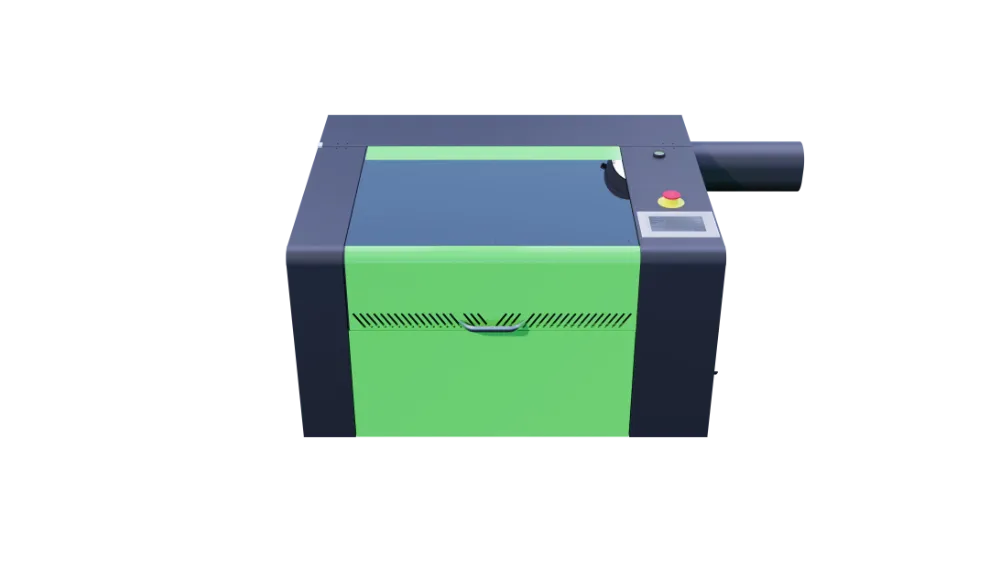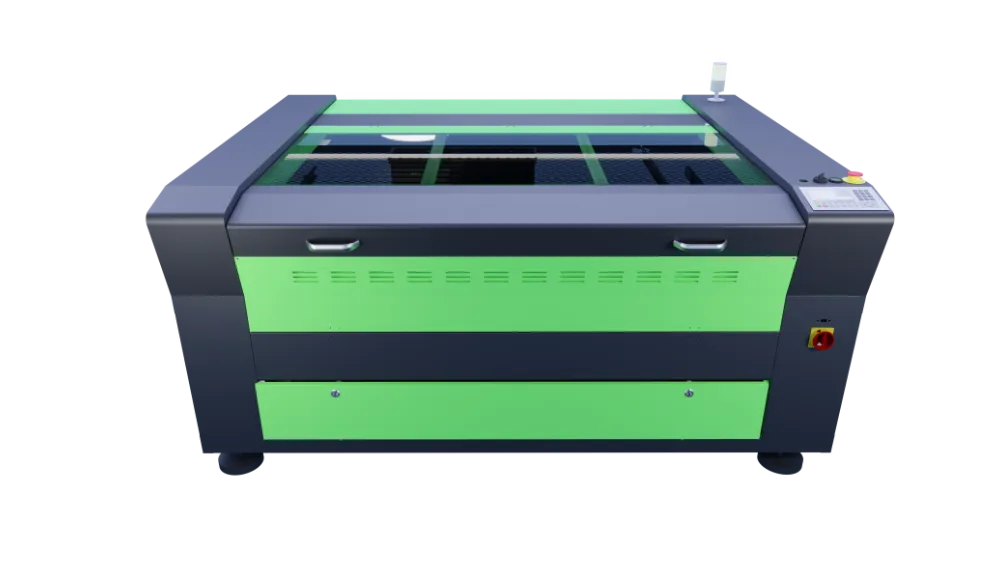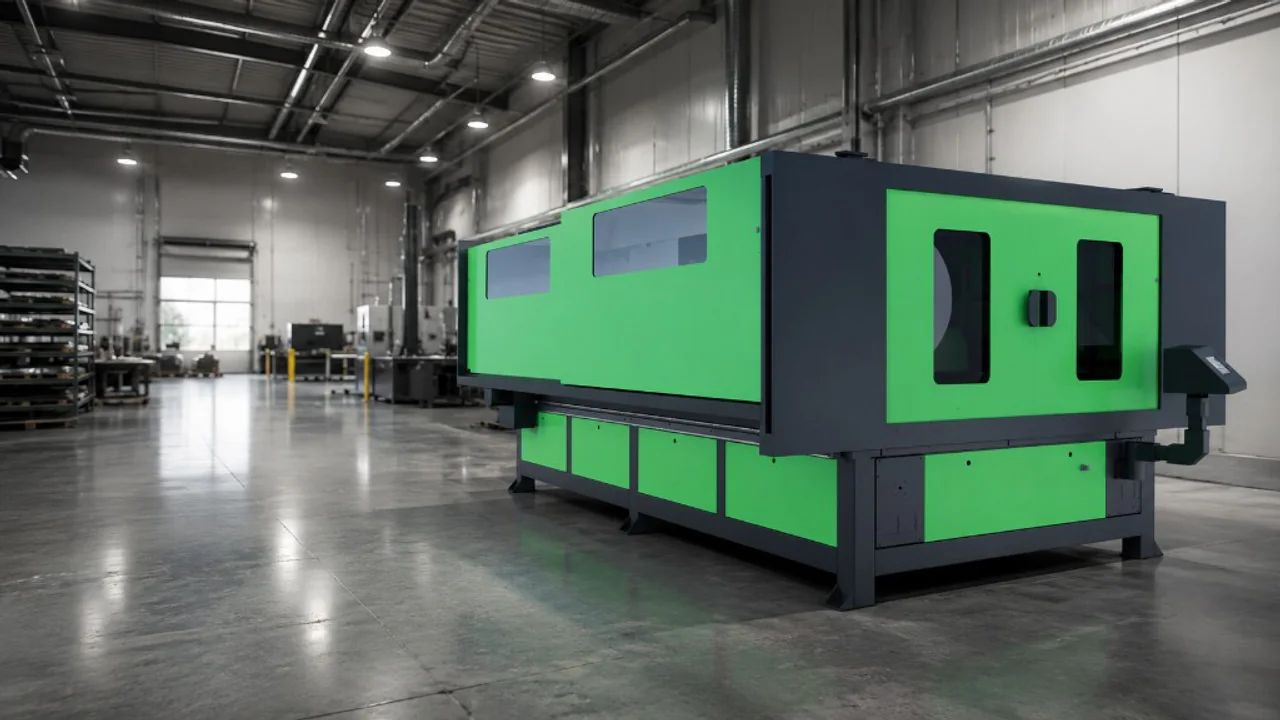
CO2 laser cutter cost in the UK varies because it follows machine format, bed size, wattage, extraction, software workflow and support — not a single headline price. Desktop, professional workshop and large-format platforms serve different materials and shift patterns; installation, training, tube life and UK service backup all affect total ownership. Mantech does not publish public list pricing in this guide — accurate figures come from a quote matched to your materials, job sizes and production plans.
Tube replacement, extraction and electricity add up differently on each CO₂ platform. The parameter guide helps you understand capability at each wattage, the wattage guide walks rated power choices, and the CO₂ hub positions Desktop through Large Format.
Why CO2 laser cutter costs vary
Two buyers asking “how much does a CO2 laser cost?” often need different machines. A classroom or maker workflow cutting acrylic plaques faces a different investment profile from a signage shop running full sheets on long shifts. Specification and application — not the words “CO2 laser” alone — drive the quote.
- Machine format — desktop, professional workshop or large-format production route.
- Bed size and working area for your largest everyday sheet or panel.
- Rated tube wattage and upgrade options on the platform you shortlist.
- Extraction and filtration sized for your materials and run hours.
- Cooling, chiller and electrical preparation where required on the platform.
- Software, control workflow and operator training requirements.
- Installation, commissioning and workshop layout.
- UK training, handover, service access, warranty and spare-parts backup.
- Intended application — engraving, signage, education, display, prototyping or repeat production.
Compare live Lasertech routes on the CO2 laser hub before you treat any brochure tier as your budget.
Desktop, professional or large-format CO2 laser?
Desktop CO2 platforms suit education, craft, prototyping and lighter daily use where compact footprint and controlled introduction matter. Professional workshop machines step up when commercial hours, wider beds and higher-duty extraction become normal. Large-format CO2 routes target signage, acrylic, display and production sheet work on non-metal materials — not production sheet metal throughput.
Explore Desktop CO2, Pro CO2 and Large Format CO2 on the hub. Read desktop CO2 for crafters and education if classroom or maker use dominates.
Wattage affects cost, but it is not the only factor
Higher wattage can increase cutting capability and productivity on suitable non-metal materials within each platform's rated range — but higher wattage is not automatically the best choice. Overspecifying adds capital and running cost without benefit if your everyday work is thin acrylic or detail engraving; underspecifying creates bottlenecks when thicker stock or longer production runs become normal.
Match wattage to material type, thickness range, engraving versus cutting mix, bed size, extraction duty and realistic growth — not a single peak demo part.
Read the CO2 wattage guide and 5 things to look for when choosing a CO2 laser before you fix budget against wattage alone.
Bed size and application affect the buying route
Small-format beds suit badges, trophies, classroom projects and compact workshop footprints. Mid and large beds reduce joins when your quoting relies on full acrylic sheets, signage panels or repeat nest sizes. Bed choice should follow current and near-term work — not only the largest job you cut once a year.
Position Desktop, Pro and Large Format on the CO2 laser hub against your sheet sizes and daily mix before you request pricing.
Extraction, cooling and installation costs
Ownership cost includes more than the cabinet. Smoke and fume management, filtration, cooling where required on your platform, electrical preparation, access routes and operator workspace all belong in the budget before the machine arrives. Undersized extraction or poor install planning creates hidden cost in rework, downtime and compliance risk.
Use the CO2 parameter guide to understand everyday settings by material, and scope extraction and install requirements with Mantech application advice when you request a quote.
Training, support and service backup
Reputable UK supply should include structured handover, operator confidence and access to application advice and service engineers — not only a delivery date. Tube replacement planning, planned maintenance, optics care and response time when production stops all affect true ownership cost. A lower headline ticket with weak support often costs more across the first years of operation.
Read the CO2 maintenance guide and see resources for support routes after handover.
CO2 laser running costs
- Tube life and replacement planning — budget for eventual tube change on CO2 platforms.
- Electricity — duty cycle and rated wattage affect running cost across the week.
- Extraction filters and ducting maintenance on your material mix.
- Consumables — lenses, mirrors and routine service parts on a planned schedule.
- Assist air or compressed air where used on your workflow.
Compare total ownership — purchase, install, extraction, tube life, training and support — not headline price alone when you evaluate quotes.
CO2 laser cost vs fibre laser cost
CO2 laser is usually the relevant route for acrylic, wood, MDF, card, selected plastics and education, craft or signage workflows. Fibre laser is the metal-focused route for suitable steel, stainless, aluminium and sheet metal fabrication. Buying the cheaper wrong technology is not a saving — if production sheet metal dominates your quoting, explore fibre laser content instead of forcing CO2 to do metal work it is not designed for.
Read the fibre vs CO2 guide, the sheet-metal comparison and the fibre laser hub when metal cutting is part of the brief.
What to prepare before requesting a CO2 laser quote
- Materials — acrylic, wood, MDF, card, plastics and everyday thickness range.
- Maximum sheet or job size you quote regularly.
- Cutting versus engraving mix and finish expectations.
- Production volume — shifts per week and batch versus one-off mix.
- Preferred machine format — desktop, professional or large-format route.
- Realistic wattage tier after reading the wattage guide.
- Extraction setup and workshop ventilation expectations.
- Cooling and electrical preparation for the platform you shortlist.
- Software and control workflow — LightBurn or platform-native workflow.
- Training and support requirements for your operator team.
- Growth plans — larger sheets, longer shifts or new material types in the next few years.
When that checklist is ready, call 0121 541 1444, use contact, or start from the CO2 laser hub to discuss Lasertech platforms matched to your specification.
Is a CO2 laser worth the investment?
For businesses where non-metal cutting and engraving is core to quoting — signage, display, education, maker markets, acrylic fabrication — a correctly specified CO2 laser can improve control, repeatability and capacity versus outsourcing alone. Worthiness depends on utilisation, specification fit and total ownership discipline, not a universal yes for every workshop.
Speak with the Mantech UK team to discuss which CO2 platform fits your materials and workflow before you fix budget against the wrong format or wattage tier.
Useful next reads
- CO2 laser hub
Compare Lasertech Desktop, Pro and Large Format before you fix specification.
- CO2 wattage guide
Match rated tube power to material and production — a major cost driver.
- Choosing a CO2 laser — 5 key things
Bed size, extraction, software and support questions beyond headline price.
- Lasertech Pro CO2
Professional workshop route many UK buyers shortlist after outgrowing desktop format.
- CO2 maintenance guide
Plan tube life, optics and extraction before install costs surprise your budget.
- CO2 parameter guide
Starting settings by material — useful when scoping capability before you quote.
- Fibre vs CO2 guide
Confirm you are pricing the right material route before you compare machines.
- Desktop CO2 for education
Classroom and maker workflows where compact format and support matter most.
Frequently asked questions
How much does a CO2 laser cutter cost in the UK?
There is no single public price — cost depends on machine format, bed size, wattage, extraction, installation, training and support. Mantech provides accurate pricing through a specification-led quote. Use this guide to understand cost drivers, then contact us with your material mix and production plans.
Why do CO2 laser prices vary?
Desktop, professional and large-format routes, rated wattage, bed size, extraction, software workflow, UK installation and service backup all change the quote. Two businesses with different sheet sizes and shift patterns rarely need the same platform.
What CO2 laser wattage do I need?
Match wattage to everyday material, thickness range, engraving versus cutting mix and production volume — not peak brochure thickness alone. Read the CO2 wattage guide and compare Lasertech platforms on the hub before you fix budget.
Is a desktop CO2 laser cheaper than a professional CO2 laser?
Desktop routes usually involve lower capital for compact education and maker use, but professional or large-format platforms may be the correct investment when sheet size, duty cycle and extraction requirements outgrow a small bed. Compare total ownership — not headline price alone.
Should I buy a CO2 laser or a fibre laser?
CO2 suits acrylic, wood, MDF, card and typical non-metal engraving and signage workflows. Fibre laser suits suitable metals and sheet metal fabrication. If metal cutting is core to your quoting, read the fibre vs CO2 guides and explore the fibre laser hub before you shortlist CO2.